
Generating passive income through dividend ETFs has become increasingly popular among long-term investors. Instead of selecting individual dividend stocks, dividend ETFs allow investors to gain diversified exposure to income-producing companies in a simple and cost-efficient way.
In this guide, you will learn how dividend ETFs work, how to structure a dividend-focused portfolio, and what risks to consider in 2026.
1. What Is a Dividend ETF?
A dividend ETF is an exchange-traded fund that invests primarily in companies that pay regular dividends.
These ETFs typically focus on:
- High dividend yield companies
- Dividend growth companies
- Dividend aristocrats (companies with long dividend histories)
- Sector-specific income stocks (utilities, REITs, energy, etc.)
Instead of relying on one company, a dividend ETF spreads risk across dozens or even hundreds of dividend-paying stocks.
2. Why Use Dividend ETFs for Passive Income?
Dividend ETFs offer several advantages:
✔ Diversification
Holding one ETF reduces the risk of a single company cutting its dividend.
✔ Lower Cost
Most dividend ETFs have relatively low expense ratios compared to actively managed funds.
✔ Simplicity
You can build an income portfolio with just 1–3 ETFs.
✔ Automatic Rebalancing
ETFs adjust holdings according to their index methodology.
3. Types of Dividend ETF Strategies
Not all dividend strategies are the same. Understanding the differences is important.
1️⃣ High-Yield Strategy
- Focuses on stocks with high dividend yields.
- Generates higher immediate income.
- May include higher risk companies.
Best for: Investors prioritizing current income.
2️⃣ Dividend Growth Strategy
- Invests in companies that consistently increase dividends.
- Lower yield but stronger long-term growth potential.
Best for: Investors seeking income growth over time.
3️⃣ Balanced Income Strategy
- Combines high-yield and dividend-growth ETFs.
- Provides both income and stability.
Best for: Long-term diversified investors.
4. Sample Dividend ETF Portfolio (Illustrative Example)
Here is a simple balanced dividend approach:
- 40% U.S. Dividend Growth ETF
- 30% High Dividend Yield ETF
- 20% International Dividend ETF
- 10% REIT ETF
This structure provides income diversification across regions and sectors.
Your allocation should depend on:
- Age
- Risk tolerance
- Total investment portfolio
- Income needs
5. Key Metrics to Evaluate Dividend ETFs
Before investing, review these factors:
🔹 Dividend Yield
Higher yield means more income today, but may signal higher risk.
🔹 Expense Ratio
Lower fees improve long-term returns.
🔹 Dividend Growth Rate
Indicates how quickly payouts increase over time.
🔹 Sector Concentration
Avoid excessive exposure to one sector.
6. Risks of Dividend Investing
Dividend ETFs are not risk-free.
Important risks include:
- Dividend cuts during recessions
- Interest rate sensitivity
- Market downturns affecting stock prices
- Overconcentration in defensive sectors
A high dividend yield does not guarantee stability. In some cases, unusually high yields can signal financial weakness.
7. Reinvest or Take Income?
Investors typically choose between:
Option A: Reinvest Dividends
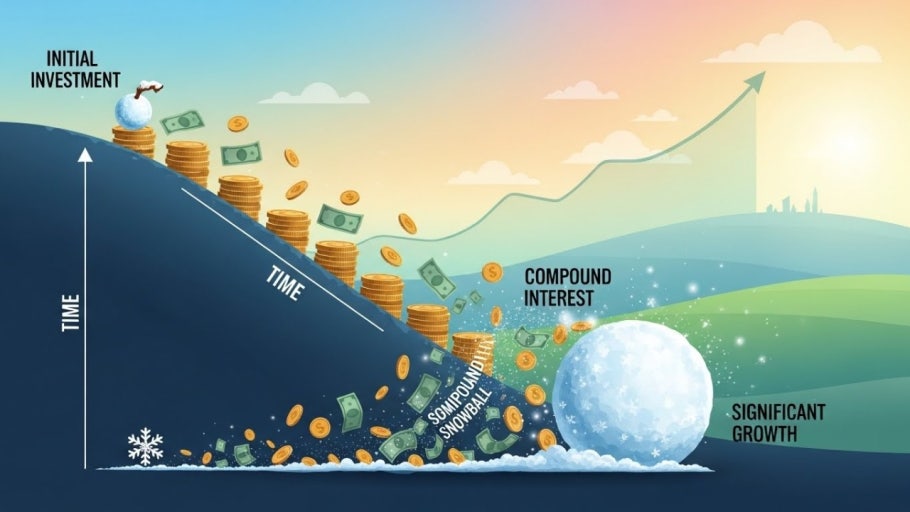
- Accelerates compounding
- Ideal for long-term wealth building
Option B: Take Dividends as Income
- Useful for retirees
- Provides steady cash flow
The best approach depends on your financial stage.
8. Long-Term Perspective Matters
Dividend ETFs work best when combined with:
- Broad market exposure
- Long investment horizon
- Regular portfolio review
Avoid chasing the highest yield each year. Consistency and diversification often outperform frequent strategy changes.
Final Thoughts
A dividend ETF strategy for passive income in 2026 should focus on:
- Diversification
- Sustainable yield
- Low costs
- Long-term discipline
Dividend investing can provide steady income and growth potential, but it requires realistic expectations and risk awareness.
Disclaimer:
This content is for educational purposes only and does not constitute financial advice. Investing involves risk, including potential loss of principal. Always conduct your own research or consult a qualified financial professional before making investment decisions.