
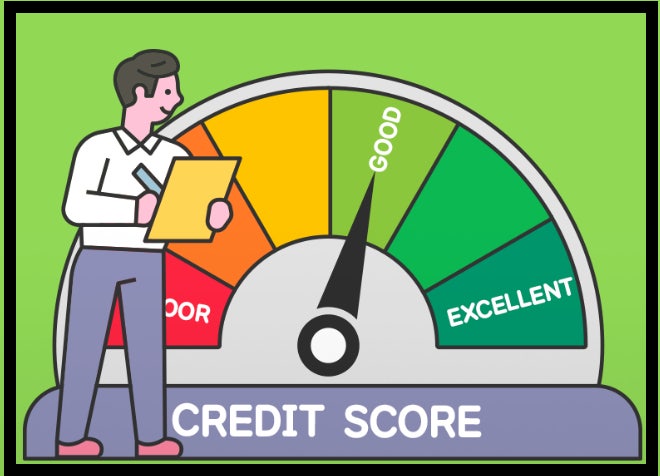
Your credit score plays a crucial role in your financial life. It affects your ability to get approved for loans, credit cards, mortgages, and even rental applications.
Improving your credit score does not happen overnight, but the right strategies can help you see progress faster.
1. Pay All Bills on Time
Payment history is the most important factor in your credit score.
Even one late payment can significantly lower your score. Set up automatic payments or reminders to avoid missing due dates.
2. Reduce Your Credit Utilization
Credit utilization refers to how much of your available credit you are using.
For example, if your credit limit is $10,000 and you are using $5,000, your utilization rate is 50%.
Experts recommend keeping utilization below 30%, and ideally under 10% for the best results.
3. Avoid Opening Too Many New Accounts
Each time you apply for credit, a hard inquiry appears on your credit report.
Too many inquiries in a short period can temporarily lower your score.
Apply for new credit only when necessary.
4. Keep Old Accounts Open
Length of credit history also affects your score.
Even if you no longer use an old credit card, keeping it open can help maintain a longer credit history.
5. Check Your Credit Report Regularly
Review your credit report for errors or inaccurate information.
If you find mistakes, dispute them immediately. Correcting errors can sometimes quickly improve your score.
Final Thoughts
Improving your credit score requires discipline and consistency.
Focus on paying bills on time, reducing debt, and maintaining low credit utilization. Over time, these habits can significantly strengthen your financial profile.
A higher credit score can lead to better loan terms, lower interest rates, and greater financial flexibility.